
A Responsible Visitor’s Guide
Introduction
If you are researching where to get magic mushroom in Cape Town, it is important to understand South African law, the potential health risks of psychedelic mushrooms, and the difference between online claims and reliable information. Cape Town is known for its dramatic coastline, Table Mountain, creative communities, botanical gardens, and vibrant cultural scene. However, visitors should not assume that a destination’s relaxed atmosphere or interest in alternative wellness means that psilocybin mushrooms are legally available.
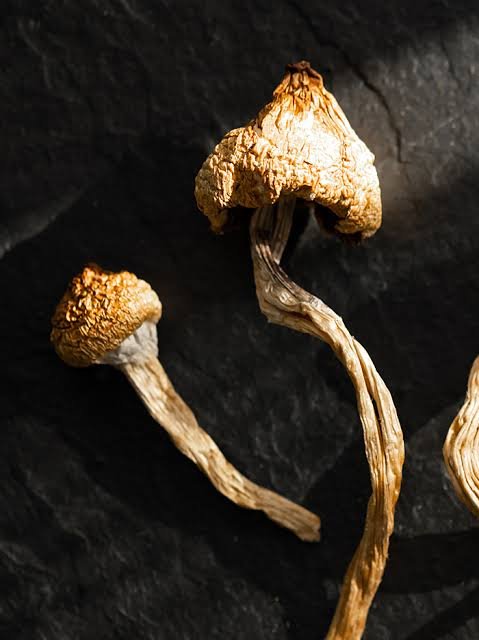
Magic mushrooms are commonly understood to be fungi containing psilocybin, a naturally occurring psychedelic compound that can change perception, mood, thinking, and a person’s experience of their surroundings. Although there is growing international interest in psychedelic research and mental-health treatment, that interest does not automatically make recreational possession, supply, or consumption lawful in every country.
This guide from Best Psychedelic Travel Guide helps international visitors and South African readers understand the legal context, identify important health considerations, and discover worthwhile experiences that do not depend on obtaining controlled substances. Rather than directing readers to unverified sellers, it prioritises trustworthy information, responsible travel, and informed decisions.
Whether you are visiting Cape Town for a weekend, planning a longer stay in South Africa, or researching psychedelic travel laws around the world, the goal is simple: help you understand the local situation before making decisions that could affect your health, finances, or freedom.
What Are Magic Mushrooms?
Magic mushrooms are a broad term for certain mushroom species that contain psilocybin. After ingestion, the body converts psilocybin into psilocin, which acts on serotonin-related systems in the brain and can produce substantial changes in perception and consciousness.
The effects vary considerably between individuals. Some people report changes in their perception of colour, sound, time, or emotion. Others may experience confusion, anxiety, panic, nausea, or frightening thoughts. The intensity can be unpredictable because mushroom species, potency, preparation, individual sensitivity, and other circumstances differ.
Understanding psilocybin and psilocin
Psilocybin and psilocin are the principal compounds discussed in relation to psychedelic mushrooms. They are not interchangeable with cannabis, and legislation that permits certain private cannabis activities does not automatically permit activities involving psilocybin.
This distinction is especially important when researching Cape Town. Online discussions sometimes group cannabis, magic mushrooms, LSD, and other psychoactive substances under the broad label of alternative or recreational drugs. Legally, however, each substance can be subject to different rules.
Why are people interested in psychedelic mushrooms?
Interest in magic mushrooms comes from several areas, including cultural history, personal curiosity, neuroscience, and scientific research into psychedelic-assisted therapies. Researchers have investigated psilocybin in controlled clinical settings for certain mental-health conditions, with appropriate screening, supervision, and follow-up.
Clinical research is not the same as an ordinary recreational experience. A study may use a regulated substance, a defined protocol, qualified professionals, ethical oversight, and careful monitoring. These safeguards cannot be assumed to exist in an informal setting.
Anyone interested in the scientific evidence should distinguish peer-reviewed research and authorised clinical trials from marketing claims, social-media anecdotes, and promises of guaranteed psychological benefits.
Where to Get Magic Mushroom in Cape Town: Understand the Law First
Before considering any psychedelic-related activity in Cape Town, visitors should understand the legal position in South Africa.
Psilocybin and psilocin are controlled substances under South African legislation. The Drugs and Drug Trafficking Act 140 of 1992 and the Medicines and Related Substances Act 101 of 1965 are important parts of the legal framework. Both substances appear in the relevant controlled-substance schedules. Their use, possession, supply, and other activities may attract legal consequences, subject to the precise facts and applicable statutory provisions.
Official references include the South African Government’s Drugs and Drug Trafficking Act and the Medicines and Related Substances Act.
Are magic mushrooms legal in Cape Town?
You should not assume that recreational magic mushrooms are legal in Cape Town. Psilocybin and psilocin are controlled, and the legal framework does not provide a general recreational exemption simply because the substances occur naturally in fungi.
The legal status of a particular activity can depend on the substance involved, the form in which it is present, the conduct concerned, and any applicable authorisation. Anyone who needs a definitive interpretation for a particular situation should consult a South African legal professional or the relevant official authority.
It is also important not to treat claims made by a seller, retreat organiser, social-media account, or online forum as proof that an activity is lawful. A business operating openly does not, by itself, demonstrate that every product or service it offers has the necessary legal authorisation.
Does the law distinguish between mushrooms and isolated compounds?
The legal analysis can involve both the mushroom material and the controlled compounds it contains. South African legal scholarship has examined how the Drugs Act and Medicines Act apply to psilocybin-containing mushrooms, including issues surrounding possession, use, cultivation, and supply.
Because legislation, regulations, and court interpretations can change, readers should consult the current statutory text rather than rely exclusively on an older blog post or discussion thread. The South African Legal Information Institute is a useful starting point for researching South African legislation and court decisions.
Does South Africa’s cannabis legislation make magic mushrooms legal?
No. Cannabis and psilocybin mushrooms must be treated separately.
South Africa enacted the Cannabis for Private Purposes Act in 2024, establishing a framework concerning certain private cannabis activities by adults. That development does not establish a comparable general exemption for psilocybin mushrooms.
Visitors should therefore avoid applying cannabis-related information to other controlled substances. Different laws, schedules, exceptions, and authorisation requirements may apply.
What about medical or scientific research?
Research involving psychedelic substances is different from general consumer access. South Africa’s health-products regulator, the South African Health Products Regulatory Authority (SAHPRA), oversees relevant clinical-trial approvals and regulatory processes.
Its official clinical-trials guidance explains the regulatory framework for clinical research involving human participants and certain unregistered medicines.
The existence of a clinical trial or a research authorisation does not mean that a visitor can legally obtain a substance for personal use. People interested in participating in legitimate research should verify that a study is genuine, appropriately authorised, and accepting eligible participants.
How to Research Psychedelic Availability Without Relying on Unverified Sellers
When people search for where to get magic mushrooms in Cape Town, they may encounter online advertisements, private groups, informal recommendations, or websites claiming to offer discreet access. Such claims deserve caution.
An online listing cannot establish that a product is authentic, correctly identified, uncontaminated, or legally supplied. Nor can a seller’s assurances guarantee that a product will have the effects described.
For a responsible travel guide, the most useful question is not simply whether a product appears to be available. It is whether the activity is lawful, whether the information can be independently verified, and whether the visitor understands the potential consequences.
Check official information before making decisions
Start with the current legislation and information from recognised South African authorities. When legal wording is unclear, obtain advice from a qualified local lawyer instead of relying on informal interpretations.
Be particularly cautious about claims such as “completely legal,” “no risk,” or “approved for everyone.” Such statements are rarely sufficient without clear evidence, relevant authorisation, and an explanation of the limits of that authorisation.
Be cautious with anonymous online claims
Anonymous accounts may provide inaccurate information, promote unsafe products, or attempt to obtain personal information or advance payments. Some listings may misrepresent the contents of a product or disappear after receiving money.
Do not send identification documents, banking information, home addresses, or other sensitive details to an unknown contact. Avoid offers that rely on pressure, secrecy, unusual payment demands, or promises that legal consequences are impossible.
Do not collect unidentified wild mushrooms
Cape Town and the Western Cape contain diverse natural environments, but this does not make wild mushroom collection safe. Identifying a mushroom from a photograph, colour, or online description is not a reliable way for an untrained person to establish its identity.
Some poisonous mushrooms can resemble species that people believe are edible or psychoactive. Misidentification can cause serious illness and may be life-threatening. Avoid consuming wild mushrooms based on informal identification or advice from strangers.
Potential Effects and Health Risks of Magic Mushrooms
Understanding the health risks of psilocybin is essential when researching psychedelic travel. A substance can be the subject of scientific investigation and still carry meaningful risks outside controlled medical or research settings.
Effects are not always pleasant or predictable. A person’s experience can be influenced by their mental and physical health, the substance’s potency, the surrounding environment, other substances, and whether appropriate support is available.
Psychological effects
Possible psychological effects include:
Altered perception of time, sound, colour, and surroundings.
Changes in mood, emotional intensity, and thought patterns.
Anxiety, fear, confusion, or panic.
Suspicion or paranoia.
Difficulty distinguishing subjective experiences from external events.
In some cases, severe psychological distress or a prolonged worsening of psychiatric symptoms.
A person who feels overwhelmed may have difficulty communicating, navigating unfamiliar surroundings, or recognising hazards. This can become particularly dangerous in a city or natural environment they do not know well.
Physical effects
Physical reactions can include nausea, vomiting, dizziness, changes in heart rate or blood pressure, and impaired coordination. Effects vary, and the presence of a natural ingredient does not make a product automatically safe.
Mushroom misidentification introduces a separate danger: toxic species can cause serious poisoning. Products of unknown composition may also contain substances that are not listed or expected.
Who should be especially cautious?
Psychedelic substances may present additional concerns for people with certain psychiatric or cardiovascular conditions, people taking medications that could interact with psychoactive substances, and those who have previously experienced severe psychological reactions.
Anyone who is pregnant, has a significant medical condition, or takes prescription medication should speak with an appropriately qualified healthcare professional about relevant risks. Do not stop prescribed medication or alter a treatment plan based on advice from an online seller or travel forum.
Mixing substances increases uncertainty
Combining psychoactive substances, alcohol, or medications can make effects less predictable. A person may have more difficulty judging their condition or responding appropriately to an emergency.
For a travel-focused approach to safety, the most reliable recommendation is to avoid experimenting with unknown substances and to seek qualified medical advice where individual health concerns exist.
When to seek urgent medical help
Seek emergency assistance if someone develops severe confusion, loses consciousness, has a seizure, experiences chest pain, has difficulty breathing, becomes dangerously agitated, or may have eaten a poisonous mushroom.
Do not leave a severely unwell person alone or encourage them to drive. If mushroom poisoning is possible, preserve any available packaging or photographs for medical professionals without delaying care. Contact local emergency services or proceed to an emergency department.
Is Psychedelic Therapy Available in Cape Town?
Psychedelic therapy is a developing field of research, but it should not be confused with an ordinary mushroom experience or an informal retreat.
In regulated research, a treatment may involve eligibility screening, a defined protocol, trained professionals, informed consent, monitoring, and follow-up. These measures are designed to evaluate potential benefits and identify risks.
Research is not the same as a treatment offer
A research paper describing positive outcomes does not establish that a treatment is approved for routine use in South Africa. Likewise, a website advertising a psychedelic session does not prove that the service is authorised or clinically appropriate.
Anyone exploring this subject should ask whether the provider is a properly registered healthcare service, whether the specific treatment is legally authorised, what professional credentials are involved, and what emergency arrangements are available.
How to verify a research opportunity
Use SAHPRA’s official information and the South African National Clinical Trials Register to investigate relevant research. Check the study’s name, responsible institution, eligibility criteria, contact details, and approval status.
Do not pay an informal intermediary who promises guaranteed enrolment or assured medical outcomes. Legitimate research teams should be able to explain the study clearly and direct prospective participants to appropriate documentation.
Legal and Memorable Things to Do in Cape Town
You do not need a psychedelic experience to discover the distinctive landscapes, art, food, and culture of Cape Town. The city offers many experiences for visitors interested in nature, reflection, creativity, and wellbeing.
Explore Table Mountain National Park
Table Mountain is one of Cape Town’s best-known natural landmarks. Visitors can explore suitable walking routes, take in panoramic views, and learn about the region’s distinctive plant life.
Plan outdoor activities according to weather conditions, trail difficulty, and your physical ability. Carry water, follow park guidance, and check current access information before setting out.
Visit Kirstenbosch National Botanical Garden
Kirstenbosch offers a chance to experience South Africa’s botanical diversity in a managed garden environment. It is a good option for travellers interested in plants, photography, quiet walks, and nature education.
Check the official Kirstenbosch and SANBI website for current visitor information, access details, and events.
Discover Cape Point and the Cape Peninsula
Cape Point and the surrounding peninsula offer coastal scenery, viewpoints, wildlife observation, and walking opportunities. The landscape provides a memorable way to experience the Western Cape without relying on psychoactive substances.
Plan transport carefully, respect wildlife, remain on permitted routes, and check weather and park conditions. If you are travelling independently, ensure that your return journey is arranged before visiting remote locations.
Explore art, museums, and local culture
Cape Town has a rich cultural landscape that includes galleries, museums, public art, historical sites, music, and food. Visitors can use these experiences to learn about the city’s complex history and contemporary creative communities.
Consider visiting the Zeitz Museum of Contemporary Art Africa, exploring the V&A Waterfront, or joining a reputable cultural walking tour. Confirm opening times and ticket information directly with each venue.
Consider a guided nature or wellness experience
If your interest in psychedelics comes from curiosity about consciousness, relaxation, or personal reflection, a guided nature walk, meditation class, yoga session, or non-drug wellness workshop may offer a safer and legally straightforward alternative.
Check the instructor’s qualifications, accessibility arrangements, cancellation terms, and any health requirements before booking. Avoid providers that promise guaranteed psychological healing or pressure guests into purchasing unverified products.
Planning a Responsible Cape Town Visit
Good planning can make a trip more enjoyable and reduce avoidable problems. Visitors should research the local law, understand their accommodation arrangements, and use reliable sources when choosing activities.
Check the law before you travel
South African legislation is the primary reference for understanding controlled substances. Foreign laws, online discussions, and experiences from other destinations should not be treated as evidence of what is permitted in Cape Town.
If you are unsure whether a particular activity is lawful, seek qualified legal advice before participating. Do not assume that private settings, tourist areas, or informal wellness venues are exempt from applicable legislation.
Protect your personal information
Use reputable accommodation and activity-booking services. Review payment terms, check independent information about providers, and avoid sending sensitive documents to unknown individuals.
When researching health-related services, look for verifiable credentials and clear explanations of the service being offered. A polished website or positive testimonial is not a substitute for legal authorisation or professional qualifications.
Prepare for outdoor activities
Cape Town’s weather can change, and coastal and mountain environments may present risks. Check forecasts, carry appropriate clothing and water, and follow official safety guidance.
Do not enter the sea, climb difficult trails, or drive in unfamiliar terrain while impaired. If you are unwell or experiencing psychological distress, seek help rather than attempting a demanding outdoor activity.
Keep emergency information accessible
Before your trip, save the contact details for your accommodation, travel insurer, and local emergency services. Know how to reach an appropriate medical facility and how to explain your location if you need help.
Travellers should also understand their insurance policy. Coverage for injuries, activities, and medical treatment varies, so check the terms rather than assuming every situation is covered.
Common Myths About Magic Mushrooms in Cape Town
Myth 1: Natural mushrooms are automatically legal
Reality: A substance’s natural origin does not determine its legal status. South African legislation controls psilocybin and psilocin, and visitors should not assume that naturally occurring fungi are exempt.
Myth 2: Cannabis laws apply to all psychoactive substances
Reality: Cannabis and psilocybin mushrooms are subject to different legal rules. Changes to private cannabis legislation do not automatically legalise recreational mushroom use or supply.
Myth 3: A website advertising mushrooms proves the seller is legitimate
Reality: An online listing cannot independently establish the identity, composition, safety, or legal status of a product. Claims about purity, strength, or legality should not be accepted without reliable evidence.
Myth 4: Research proves that psychedelics are safe for everyone
Reality: Research outcomes depend on the population studied, the substance, the protocol, and the conditions in which it is administered. Results from a supervised clinical study cannot be assumed to apply to every person or informal setting.
Myth 5: A retreat is automatically a regulated medical service
Reality: The word “retreat” does not establish clinical qualifications, legal authorisation, or emergency preparedness. Verify any provider’s credentials and the legal status of the services offered.
Frequently Asked Questions
1. Where can I get magic mushroom in Cape Town?
This guide does not direct readers to mushroom sellers. Psilocybin and psilocin are controlled under South African law, and recreational access should not be assumed to be lawful. For accurate information, consult current South African legislation and qualified local legal advice.
2. Are magic mushrooms legal in Cape Town?
You should not assume they are legal for recreational use. South Africa’s Drugs and Drug Trafficking Act and Medicines and Related Substances Act are relevant to the control of psilocybin and psilocin. The exact implications depend on the circumstances and applicable legal provisions.
3. Are magic mushrooms the same as cannabis?
No. They contain different psychoactive compounds and are governed by different legal frameworks. South Africa’s cannabis reforms do not automatically extend to psilocybin mushrooms.
4. Can tourists legally buy or carry magic mushrooms in Cape Town?
Tourists should not assume that buying, carrying, possessing, or using psilocybin mushrooms is lawful. Foreign citizenship does not itself create an exemption from South African law. Consult current official information or a qualified South African lawyer if you need advice about a specific situation.
5. Is psychedelic therapy available in Cape Town?
Availability and authorisation must be verified for the specific treatment and provider. Research into psychedelic-assisted therapy does not mean that every advertised service is approved for routine treatment. Check SAHPRA information and recognised clinical-trial registers for legitimate research opportunities.
6. What are the main risks of magic mushrooms?
Potential risks include anxiety, panic, confusion, impaired coordination, physical discomfort, and severe psychological distress. Misidentified wild mushrooms can cause serious poisoning. Individual risks vary, so medical questions should be discussed with a qualified healthcare professional.
7. What should I do if someone becomes seriously unwell after eating a mushroom?
Seek emergency medical help if the person has severe confusion, a seizure, breathing difficulties, chest pain, loss of consciousness, or suspected poisoning. Do not leave them alone or allow them to drive. Preserve available information about the mushroom for medical professionals without delaying treatment.
8. What can I do in Cape Town instead?
Cape Town offers nature walks, botanical gardens, mountain scenery, museums, galleries, cultural tours, meditation, and other wellness activities. These options allow visitors to explore the region’s landscapes and culture without relying on controlled substances.
Why Choose Best Psychedelic Travel Guide?
Best Psychedelic Travel Guide is intended to help readers research psychedelic topics and travel destinations with a clearer understanding of local laws, health considerations, and responsible choices.
For a topic as sensitive as magic mushrooms in Cape Town, useful travel content should do more than repeat online claims. It should distinguish legal facts from speculation, explain the limits of available information, and point readers towards official resources when a question requires more authoritative guidance.
Practical information for international readers
Travellers need information they can understand before arriving in a new country. This guide explains key terms, highlights the importance of local legislation, and separates controlled-substance rules from general travel recommendations.
A focus on responsible travel
Responsible travel includes respecting local law, protecting personal information, recognising health risks, and planning activities that suit the environment. It also means avoiding assumptions about a destination based on its reputation or on experiences described elsewhere.
A research-first approach
Readers should be able to verify important claims using legislation, public authorities, and recognised health resources. When laws or medical guidance change, information should be checked again rather than treated as permanently accurate.
Clear boundaries and realistic expectations
No travel guide can guarantee legal outcomes, predict how an individual will react to a substance, or replace professional medical or legal advice. Our aim is to help readers ask better questions, evaluate information critically, and make informed travel decisions.
Explore more destination guides at Best Psychedelic Travel Guide for additional information about psychedelic laws, travel safety, and responsible alternatives around the world.
Conclusion: Research Before You Travel to Cape Town
If you are searching for where to get magic mushroom in Cape Town, the most important first step is to understand the legal and health considerations rather than rely on informal recommendations. Psilocybin and psilocin are controlled under South African legislation, and the country’s cannabis rules do not create a general recreational exemption for psychedelic mushrooms.
Online claims about availability, legality, purity, or safety should be treated cautiously. Official legislation, recognised health authorities, and qualified professionals are better sources when decisions could have legal or medical consequences.
Cape Town remains an excellent destination for visitors interested in natural beauty, cultural experiences, botanical diversity, outdoor adventures, and wellbeing. From Table Mountain and Kirstenbosch to its museums and creative communities, the city offers many ways to explore and reflect without depending on controlled substances.