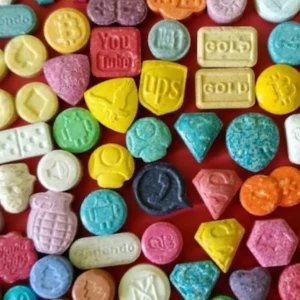
MDMA: What It Is, Effects, Appearance, and Risks
MDMA, commonly known as ecstasy or Molly, is a synthetic psychoactive substance that affects several chemical systems in the brain. It has both stimulant and hallucinogenic properties and can alter mood, perception, energy levels, and emotional responses.
MDMA was first developed in Germany in the early 20th century. Although it was initially investigated for potential medical applications, including appetite suppression, it did not become widely used for those purposes. Decades later, MDMA became associated with psychotherapy research and eventually became particularly popular within nightlife, club, rave, and festival environments.
MDMA Effects and Side Effects
The effects of MDMA can vary considerably depending on the individual, the amount taken, other substances involved, and the circumstances in which it is used.
Commonly reported effects include:
Feelings of euphoria and emotional warmth
Increased energy and alertness
Greater sociability and feelings of closeness to others
Increased sensitivity to touch, music, light, and sound
Reduced inhibitions
Jaw clenching and teeth grinding
Increased heart rate and blood pressure
Sweating and increased body temperature
Anxiety, agitation, or mood changes
More serious complications can occur, particularly when MDMA is taken in hot environments, during prolonged physical activity, or together with other substances. Severe overheating, dehydration or dangerous changes in body chemistry can become medical emergencies.
What Does MDMA Look Like?
MDMA can appear in several different forms. Tablets may come in different colors, shapes, and sizes and are sometimes stamped with logos, symbols, or other designs.
It may also be encountered as crystals or powder. However, appearance alone cannot reliably determine what a substance contains. Drugs sold as MDMA can contain other substances or unexpected compounds, meaning that a particular color, logo, crystal appearance, or tablet design does not establish its identity or purity.
What Does MDMA Feel Like?
People who use MDMA commonly describe a combination of stimulant and emotional effects. These may include:
Euphoria
MDMA can produce feelings of happiness, excitement, and emotional well-being.
Increased Energy
Some users experience increased physical energy and may feel able to remain active for extended periods.
Heightened Sensory Experiences
Music, colors, physical touch, and other sensory experiences may feel more intense or enjoyable.
Emotional Connection
MDMA can increase feelings of empathy, openness, affection, and connection with other people.
The experience is not always positive, however. Some people may experience anxiety, confusion, panic, agitation, or uncomfortable physical effects.
Why Is MDMA Associated With Parties and Festivals?
MDMA became strongly associated with nightlife and dance culture because of its combination of increased energy, elevated mood, heightened sensory experiences, and feelings of social connection.
It has historically been encountered at nightclubs, raves, music festivals, and other social events. These environments can also increase certain risks because prolonged dancing, crowded spaces, high temperatures, and inadequate hydration can contribute to overheating and other complications.
Risks of Unexpected Substances
One of the significant risks associated with illicitly produced MDMA is that a substance sold under the name “MDMA” may not actually contain MDMA or may contain additional substances.
Different compounds can have very different effects and risks. Some substances may take longer to produce noticeable effects, which can create a dangerous situation if someone assumes the initial dose was ineffective and takes more.
For this reason, the appearance, branding, color, or name of a tablet or crystal should never be treated as proof of its contents.
Important Safety Considerations
MDMA can affect the cardiovascular system, body temperature, hydration, and mental state. Combining it with other drugs or medications can introduce additional risks.
If someone develops severe overheating, confusion, seizures, loss of consciousness, chest pain, difficulty breathing, or other serious symptoms after taking an unknown substance, emergency medical assistance should be sought immediately.
MDMA is also illegal or controlled in many jurisdictions. Laws vary by country and can change over time, so anyone seeking information about its legal status should consult the relevant official authorities.
-
Mdma
Buy Ecstacy Pills Online
$140.00 – $400.00Price range: $140.00 through $400.00 Select options This product has multiple variants. The options may be chosen on the product page