
Buy Ecstacy Pills Online
What Is Ecstasy (MDMA)?
Ecstasy is a common name for MDMA, a synthetic psychoactive substance that affects the brain and central nervous system. It is associated with stimulant and entactogenic effects, which can influence energy, mood, emotional responses, and sensory perception.
MDMA is also commonly referred to as Molly. Although these names are frequently used interchangeably, products sold under either name may contain different substances.
MDMA became widely associated with nightlife, electronic music, dance events, and festivals because of its reported effects on mood, energy, and social interaction.
Understanding How MDMA Works | Buy Ecstacy Pills Online
MDMA influences several neurotransmitters in the brain, particularly serotonin, dopamine, and norepinephrine.
These chemical messengers contribute to different functions:
- Serotonin: Involved in mood, sleep, emotions, and perception.
- Dopamine: Associated with motivation, reward, and pleasure.
- Norepinephrine: Plays a role in alertness, attention, and the body’s stress response.
Changes in these neurotransmitter systems help explain why MDMA can produce emotional, psychological, and physical effects.
What Are the Effects of Ecstasy?
The effects of MDMA differ between individuals and depend on several factors, including individual physiology, other substances, and the actual chemical composition of the product.
Commonly reported effects include:
- Elevated mood and euphoria.
- Increased energy and alertness.
- Feelings of emotional closeness.
- Increased sociability.
- Heightened sensory perception.
- Increased sensitivity to music and touch.
- Reduced inhibitions.
However, not all experiences are positive. Some individuals experience anxiety, confusion, agitation, or uncomfortable physical symptoms.
Ecstasy Side Effects
MDMA can produce several short-term side effects.
These may include:
- Increased heart rate.
- Elevated blood pressure.
- Excessive sweating.
- Jaw clenching.
- Teeth grinding.
- Nausea.
- Muscle tension.
- Difficulty sleeping.
- Anxiety and restlessness.
- Changes in body temperature.
The severity of these effects can vary significantly.
Serious Health Complications
More serious complications can include dangerous overheating, abnormal heart rhythms, seizures, and disturbances in the body’s sodium and fluid balance.
Severe symptoms require immediate medical attention.
What Does Ecstasy Look Like?
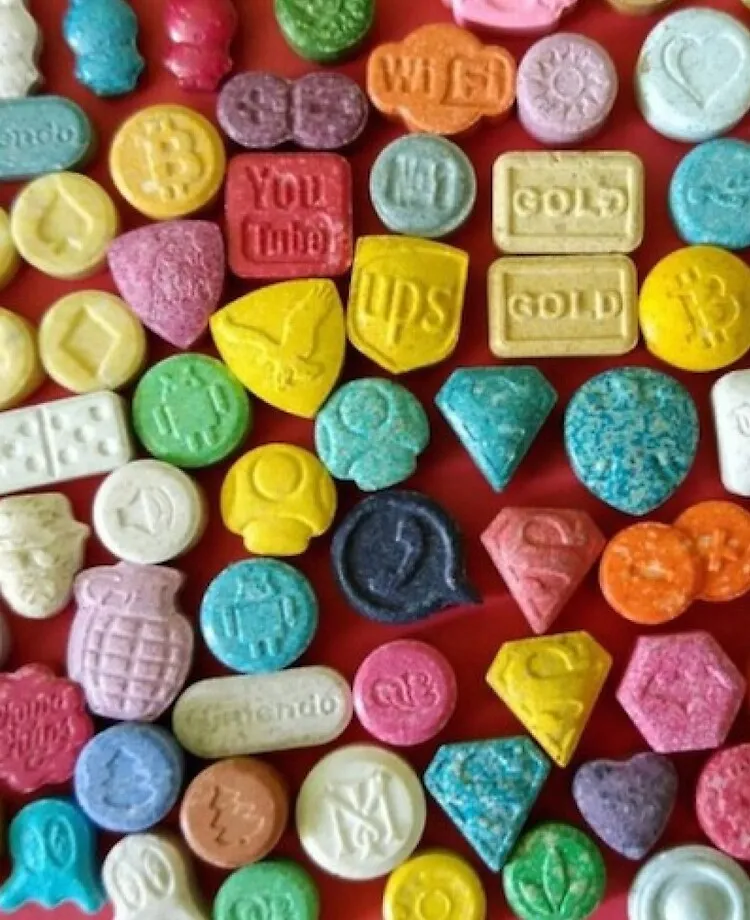
Ecstasy is commonly associated with tablets that may have different colors, shapes, sizes, and markings.
Some tablets feature recognizable logos, symbols, or decorative designs. However, these visual characteristics cannot establish the chemical contents of a tablet.
MDMA may also be encountered in powder or crystalline forms.
A significant concern is that substances represented as ecstasy may contain other psychoactive compounds or unexpected contaminants. Appearance alone cannot establish identity, purity, or safety.
Why Is MDMA Associated With Music Festivals?
MDMA has historically been associated with electronic dance music, nightclubs, and music festivals.
This association is partly connected to its reported effects on mood, energy, sensory perception, and emotional connection.
However, these environments can introduce additional health risks. Crowded spaces, prolonged dancing, high temperatures, and physical exhaustion can contribute to dangerous overheating and other complications.
How Long Do MDMA Effects Last?
The duration of MDMA effects varies depending on individual physiology, substance composition, and other circumstances.
Some psychological effects may continue after the most noticeable physical effects have subsided.
Afterward, individuals may experience fatigue, disrupted sleep, irritability, difficulty concentrating, or temporary changes in mood.
Can Ecstasy Affect Mental Health?
Yes. MDMA can influence emotional regulation and psychological well-being.
Some individuals report temporary anxiety, low mood, or emotional exhaustion following use.
More serious psychological reactions can include panic, confusion, paranoia, and disorientation.
People with certain pre-existing psychiatric conditions may be particularly vulnerable to adverse reactions.
Can MDMA Be Dangerous When Combined With Other Substances?
Combining MDMA with other psychoactive substances or medications can increase health risks.
Some combinations may affect cardiovascular function, body temperature, or serotonin activity.
Interactions involving serotonin-affecting medications can be particularly concerning. Anyone taking prescription medication should consult a qualified healthcare professional about potential interactions.
What Are the Signs of an MDMA Emergency?
A serious reaction to MDMA or an unknown substance requires urgent medical attention.
Warning signs include:
- Severe overheating.
- Seizures.
- Loss of consciousness.
- Chest pain.
- Difficulty breathing.
- Severe confusion.
- Collapse.
- Unresponsiveness.
Seek emergency medical assistance immediately if these symptoms occur. Do not leave an affected person alone.
Is Ecstasy Addictive?
MDMA has a different dependence profile from substances such as nicotine and opioids. Nevertheless, repeated use can become problematic.
Some individuals may develop patterns of use that negatively affect their relationships, responsibilities, finances, or psychological well-being.
Anyone concerned about repeated substance use can seek guidance from a qualified healthcare professional or substance-use counselor.
Frequently Asked Questions About Ecstasy
1. What is the difference between ecstasy and MDMA?
Ecstasy is a common street name for MDMA. However, products sold as ecstasy may contain additional substances or may not contain MDMA at all.
2. Is Molly the same as ecstasy?
Molly and ecstasy are commonly used names associated with MDMA. Neither name guarantees the actual chemical composition of a substance.
3. What does MDMA do to the brain?
MDMA affects serotonin, dopamine, and norepinephrine systems, influencing mood, energy, emotional responses, and sensory perception.
4. Can MDMA cause dehydration?
MDMA can contribute to overheating and fluid-related complications. Excessive water consumption can also be dangerous because it may cause dangerously low sodium levels.
5. Can ecstasy cause anxiety?
Yes. Although some people report feelings of happiness and emotional openness, others experience anxiety, panic, agitation, or confusion.
6. Is the appearance of an ecstasy tablet a reliable indication of its contents?
No. Color, shape, logos, and markings cannot reliably establish chemical identity or purity.
Final Thoughts
Ecstasy, commonly known as MDMA, is a psychoactive substance that affects mood, perception, emotional responses, and physical functioning.
Although it is frequently associated with nightlife and electronic music culture, its potential effects extend beyond temporary changes in mood and energy. Cardiovascular complications, overheating, psychological distress, and unpredictable chemical contents are important concerns.
Understanding the science, effects, and potential risks of MDMA provides a more informed perspective on this substance.
Disclaimer: This article is intended for educational purposes only. It does not encourage or promote the use, purchase, or distribution of controlled substances. It is not a substitute for professional medical or legal advice.
Reviews
There are no reviews yet.